Accessibility starts earlier than most teams think
Accessibility is too often treated as a final-stage check. A site is designed, developed and filled with content, and only then does accessibility become a discussion point.
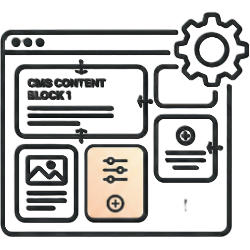
In practice, many accessibility issues begin much earlier. They begin inside the CMS.
If your content platform makes it difficult to apply heading structure properly, manage alt text consistently, create clear navigation patterns or maintain semantic formatting, accessibility problems become much more likely. That means the system your team uses every day plays a major role in the quality of what gets published.
Why the CMS shapes content quality
A good CMS helps teams produce better output by default. It encourages structure, consistency and clarity. It makes the right actions easier and reduces the likelihood of preventable mistakes.
That matters because accessibility is not only a compliance issue. It affects usability, trust and performance. More accessible content is often easier to navigate, easier to understand and more resilient across devices, contexts and user needs.
For growing businesses, that matters commercially too. A site that works better for more people is better positioned to support visibility, engagement and conversion.
Accessibility as a strategic advantage
There is also a wider signal here. Accessible digital experiences suggest care, maturity and operational quality. They show that a business has thought properly about how users interact with content rather than simply focusing on appearance.
In B2B environments especially, that can support credibility. Buyers notice when experiences feel clear, usable and well considered.
That is why accessibility should be part of CMS strategy, not a technical afterthought. The platform should help teams create better content at scale, not rely on every publisher remembering every rule every time.
A better standard for modern CMS design
A modern CMS should do more than make pages editable. It should actively support better publishing habits.
When accessibility is embedded into the way content is created, quality becomes easier to sustain as the site grows. That helps reduce risk, improve user experience and support stronger performance over time.
In that sense, accessibility by design is not just about inclusion. It is about building a stronger digital platform altogether.
Looking for a CMS built around better publishing?
We create bespoke content platforms that support accessibility, usability and long-term growth.
Get a free website audit
Be notified when we add a new articles